A persistent cough or occasional shortness of breath is often blamed on seasonal changes, pollution, or a common cold. While these causes are common, ongoing respiratory symptoms can sometimes indicate an underlying lung disorder that requires medical attention. Early diagnosis and appropriate treatment can help prevent complications and improve long-term lung health.
For people living in Pimpri-Chinchwad and across Maharashtra, where changing weather, urban pollution, and respiratory infections are common, understanding when to seek specialist care is an important part of maintaining overall health.
Lung disorders affect the respiratory system's ability to deliver oxygen efficiently throughout the body. Some conditions develop suddenly, while others progress gradually over months or even years. Identifying symptoms early allows doctors to begin treatment before permanent damage occurs.
Common lung disorders include:
- Asthma
- Chronic obstructive pulmonary disease (COPD)
- Pneumonia
- Bronchitis
- Tuberculosis
- Lung infections
- Interstitial lung disease
- Pleural disorders
- Pulmonary fibrosis
- Respiratory complications related to chronic illnesses
Each condition requires a different treatment approach based on its cause and severity.
You should seek medical evaluation if you experience:
- A cough lasting longer than three weeks
- Frequent wheezing
- Shortness of breath during routine activities
- Chest tightness
- Persistent chest pain while breathing
- Coughing up blood
- Recurrent respiratory infections
- Unexplained fatigue associated with breathing difficulty
- Bluish discoloration of the lips or fingertips
These symptoms should never be ignored, particularly if they continue despite home remedies or over-the-counter medications.
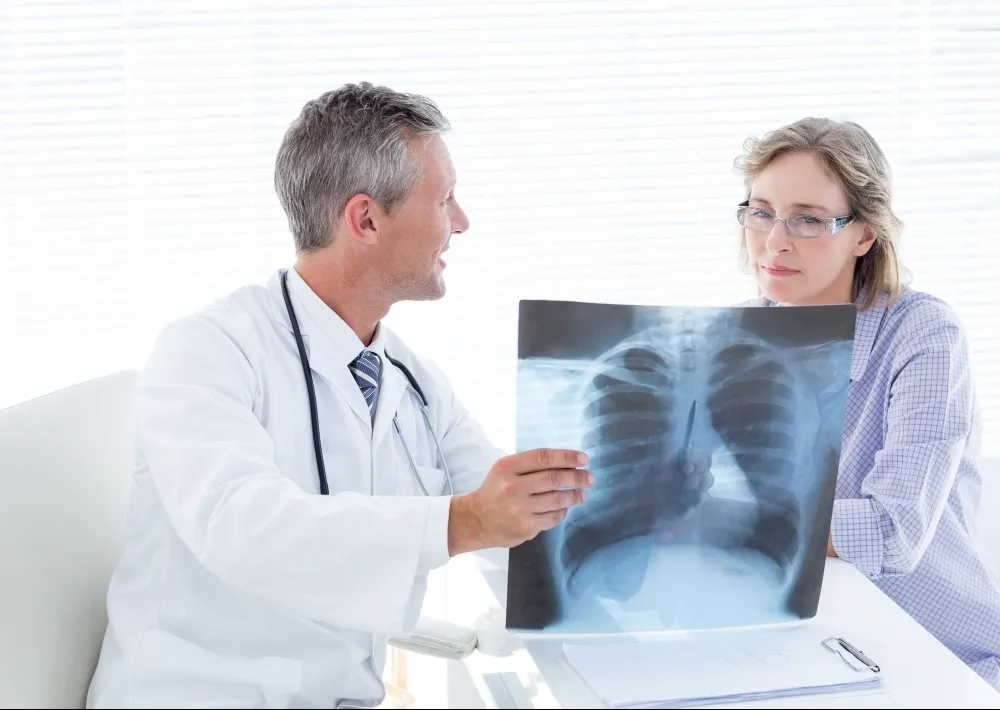
Doctors begin by reviewing your medical history, lifestyle, occupational exposure, smoking history, and current symptoms. A thorough physical examination is often followed by diagnostic investigations such as:
- Chest X-rays
- CT scans when indicated
- Pulmonary function tests
- Blood investigations
- Oxygen saturation monitoring
- Sputum analysis for suspected infections
These tests help identify the underlying condition and determine the most appropriate treatment plan.
Treatment depends on the specific diagnosis. Some patients benefit from medications such as bronchodilators, antibiotics, anti-inflammatory medicines, or inhalers. Others may require oxygen therapy, respiratory rehabilitation, or hospitalization for close monitoring. The goal is not only to relieve symptoms but also to improve lung function and reduce the risk of future complications.
Preventive care plays a major role in protecting respiratory health. Doctors often recommend practical measures such as:
- Avoiding smoking and secondhand smoke
- Staying physically active
- Receiving recommended vaccinations
- Wearing protective masks in dusty environments
- Managing allergies effectively
- Seeking early treatment for respiratory infections
- Maintaining good indoor air quality
These habits can significantly reduce the likelihood of chronic lung problems.
Individuals with diabetes, heart disease, weakened immunity, or advanced age should be especially cautious because respiratory illnesses can progress more rapidly in these groups. Timely medical intervention often reduces the need for prolonged hospitalization and supports quicker recovery.
Serious respiratory emergencies require immediate attention. Sudden severe breathlessness, persistent chest pain, confusion, or rapidly falling oxygen levels should never be managed at home. Access to emergency services and intensive care can be lifesaving in these situations.
A multispecialty hospital offers significant advantages because respiratory care frequently involves collaboration between physicians, pulmonology specialists, intensivists, radiologists, emergency medicine teams, and physiotherapists. This coordinated approach ensures patients receive comprehensive treatment for both acute and chronic lung disorders.
For residents of Pimpri-Chinchwad, Suman Multispecialty Hospital and ICU Care provides evaluation and treatment for lung disorders supported by advanced diagnostic facilities, emergency services, intensive care, and multidisciplinary medical expertise. The hospital's integrated approach enables patients to receive timely care tailored to their respiratory health needs.
Healthy lungs are essential for every aspect of daily life, from physical activity to restful sleep. Paying attention to persistent respiratory symptoms and seeking medical evaluation at the right time can lead to earlier diagnosis, more effective treatment, and better long-term respiratory health.
Keywords