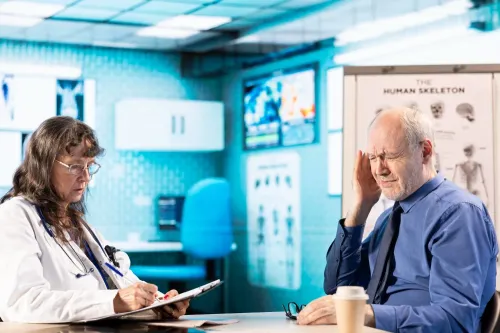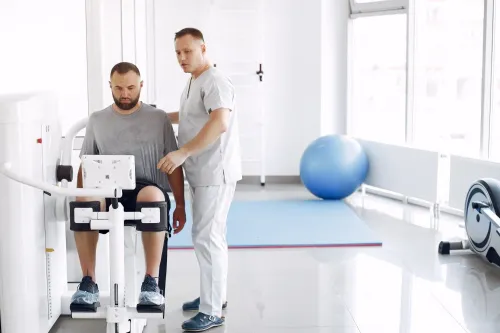

Sudden weakness, facial drooping, a seizure, severe headache, numbness, tremor, dizziness, memory change, or persistent nerve pain can require very different levels of care. Use the symptom pattern to decide between emergency treatment and a planned consultation, then prepare the right records and questions before booking.
Key takeaways
- Call emergency services for sudden weakness, speech trouble, vision loss, or confusion.
- Choose a neurologist for persistent headaches, seizures, numbness, tremors, or balance problems.
- Bring your symptom timeline, medicines, prior reports, and identification to the appointment.
- Ask whether the hospital provides imaging, EEG, stroke assessment, and critical care when needed.
Which neurological symptoms need emergency care now?
Call emergency services now for sudden facial drooping, one-sided arm or leg weakness, new speech difficulty, sudden vision loss, severe loss of balance, or confusion. These can signal a stroke; do not wait to book an appointment with a neurologist near Moshi or book neurology consultation Moshi.
Record the exact onset time, or when the person was last known well, and do not drive the patient yourself.
| Symptom pattern | Decision | Immediate action |
|---|---|---|
| Sudden facial droop, weakness, speech, vision, balance, or confusion | Possible stroke | Call emergency services; do not wait for a routine visit |
| Convulsive seizure lasting five minutes or longer, or repeated seizures without recovery | Status epilepticus risk | Protect the person from injury, put nothing in the mouth, and call emergency services |
| Fever with severe headache, neck stiffness, confusion, seizures, or reduced consciousness | Possible meningitis or encephalitis | Call emergency services for urgent hospital assessment |
| Stable, recurring symptoms without these red flags | Planned neurology assessment | Arrange a routine consultation |
Urgent non-contrast CT usually comes first to help distinguish bleeding from ischemia. Selected patients may qualify for intravenous thrombolysis within 4.5 hours or thrombectomy up to 24 hours when imaging criteria are met. A phone video of a seizure or movement is useful only if recorded safely and without delaying care.
Don’t restrain the person or give food, drink, or medicine during a seizure.
When is a neurologist the right specialist?
A planned neurology appointment fits recurring or progressive problems involving the brain, spinal cord, nerves, or muscles. Consider it for migraine, epilepsy, Parkinson’s disease, multiple sclerosis, dementia, tremor, other movement disorders, sleep-related neurological problems, recurrent dizziness, numbness, neuropathy, sciatica, or persistent nerve pain.
- Choose neurology when symptoms include weakness, altered sensation, seizures, abnormal movements, memory change, balance trouble, or pain following a nerve pattern.
- Choose ENT when dizziness comes with hearing loss, ringing, ear pressure, or another ear-related symptom.
- Choose orthopedics or spine surgery when examination or imaging points to a structural joint problem, disc compression, spinal stenosis, or another condition that may need an operation.
- Choose physiotherapy after diagnosis when the main need is restoring strength, balance, walking, or movement.
- Choose general medicine when diabetes, thyroid disease, vitamin deficiency, infection, or medication effects could explain the symptoms.
- Consider mental-health services when anxiety, depression, or another psychiatric condition best fits after physical causes have been assessed.
Neurologists usually diagnose and medically manage these conditions; neurosurgeons assess selected brain or spinal problems that may require surgery. A neurology referral does not mean an operation is needed. Therefore, brain nerve treatment near pimpri chinchwad can involve neurology, imaging, rehabilitation, general medicine, ENT, or surgery rather than one service alone.
How do you book the right neurology appointment near Moshi?
Before paying or travelling, verify whether “Moshi” means Moshi, Tanzania, or Pimpri-Chinchwad, Maharashtra. Confirm the country, complete street address, travel distance, emergency-transfer plan, and appointment time. A search for “neurologist near Moshi” or “book neurology consultation Moshi” can otherwise send you to the wrong city.
| Option | What it usually means | What to confirm |
|---|---|---|
| Neurologist in Pimpri-Chinchwad | Outpatient assessment and medical management | Direct booking, referral requirement, earliest slot, and waiting time |
| Neurology hospital near Pimpri-Chinchwad | Neurology plus possible imaging, laboratory services, emergency care, ICU beds, rehabilitation, or neurosurgical referral | Which services operate on site, not merely appear in the listing |
Ask the facility these questions before confirming:
- Does a general physician’s referral apply, or can you book directly?
- Which phone number, website form, or reception desk accepts neurology appointments?
- What is the earliest available slot and expected waiting time?
- How do you cancel or reschedule?
- If no neurologist is available, can you join a cancellation list, see another clinician, consult a general physician for triage, or receive a referral to a higher-level centre?
Use emergency services instead of waiting for an appointment if facial drooping, one-sided weakness, new speech difficulty, sudden vision loss, severe imbalance, confusion, prolonged seizure, or reduced consciousness develops. Confirm that the facility has an emergency-transfer plan before choosing it for a high-risk patient.
What should you bring and expect at the first consultation?
Make the first consultation useful by bringing a clear symptom timeline and every relevant medical record. Write when symptoms began, how long each episode lasts, possible triggers, whether symptoms are progressing, and associated symptoms. Note effects on walking, speech, work, sleep, and daily activities.
1. Bring previous prescriptions, a medication list showing exact doses and timings, allergy details, MRI or CT images with their reports, blood-test results, discharge summaries, and previous EEG or nerve-conduction or electromyography reports.
2. Record an intermittent movement or event on your phone only with the patient’s consent and only when filming is safe. Never delay emergency care to obtain a video.
3. Expect the neurologist to ask about your symptoms, medical history, family history, medicines, and allergies. The examination may assess strength, sensation, reflexes, coordination, eye movements, speech, gait, and mental status.
4. Expect a medicine review and a decision about further tests or follow-up. A consultation does not always require immediate scanning; the next step depends on the examination and the pattern of symptoms.
Do not stop or change antiseizure medicines, corticosteroids, anticoagulants, or Parkinson medicines without a clinician’s plan. Sudden medication changes can cause seizures, worsening inflammation, blood clots, or a sharp return of movement symptoms. If emergency warning signs are present, call emergency services instead of waiting for this appointment.
Which tests and hospital capabilities may matter?
CT is fast and particularly useful for detecting acute bleeding; MRI provides greater detail for many ischemic, inflammatory, demyelinating, spinal-cord, and structural lesions. Do not treat MRI availability as proof of emergency stroke treatment or ICU capability.
| Test | What it helps assess | Important limitation |
|---|---|---|
| CT | Acute bleeding and urgent structural problems | Less detail for many soft-tissue lesions |
| MRI | Ischemic, inflammatory, demyelinating, spinal-cord, and structural lesions | A scanner does not guarantee emergency response |
| Routine EEG | Electrical activity during a short recording | A normal result does not rule out epilepsy |
| Video-EEG or prolonged ambulatory EEG | Events that a short EEG misses | Availability and monitoring duration differ |
| Nerve-conduction studies and electromyography | Peripheral nerves, nerve roots, neuromuscular junctions, and muscles | Not a general test for every headache, dizziness, or numbness |
Before choosing a neurology hospital near pimpri chinchwad, ask whether the facility provides these capabilities when needed:
- Urgent CT access and mechanical ventilation
- Continuous blood-pressure and oxygen monitoring
- Continuous EEG when indicated
- Neurosurgical referral for conditions that may need an operation
- Transfer to a higher-level centre when local services are unavailable
An ICU is not automatically a dedicated neurocritical-care unit. When comparing Suman Multispecialty Hospital & ICU Care, Moshi with other options for brain nerve treatment near pimpri chinchwad, ask who makes the transfer decision and where the patient goes if specialist care is unavailable.
Related service
Neurology Treatment's The Neurology department at Suman Multispecialty Hospital, Moshi is committed to providing exceptional neurological care to its patients. View service → |
Frequently asked questions
Which neurological symptoms need emergency care now?
Call emergency services immediately for sudden facial drooping, one-sided arm or leg weakness, new speech difficulty, sudden vision loss, severe loss of balance, or confusion. These symptoms can indicate a stroke, so do not wait for a routine neurology appointment.
When is a neurologist the right specialist?
A neurologist evaluates conditions affecting the brain, spinal cord, nerves, and muscles. Book an appointment for persistent or recurring headaches, seizures, numbness, tingling, weakness, tremors, movement problems, memory changes, or unexplained balance problems.
How do you book the right neurology appointment near Moshi?
Tell the hospital your main symptom, when it started, how often it occurs, and whether it is worsening. Ask for a neurologist in Pimpri Chinchwad who treats your concern and confirm the appointment time, location, documents required, and emergency alternatives.
What should you bring and expect at the first consultation?
Bring a symptom timeline, current medicine list with doses, allergies, prior prescriptions, scan or laboratory reports, discharge summaries, and identification. Expect questions about your symptoms and a neurological examination covering strength, sensation, reflexes, coordination, speech, memory, and walking.
Which tests and hospital capabilities may matter?
Depending on your symptoms, the neurologist may consider blood tests, MRI or CT imaging, EEG, nerve conduction studies, or electromyography. Ask whether the hospital can coordinate urgent imaging, stroke assessment, admission, ICU care, and specialist referrals when required.
Keywords