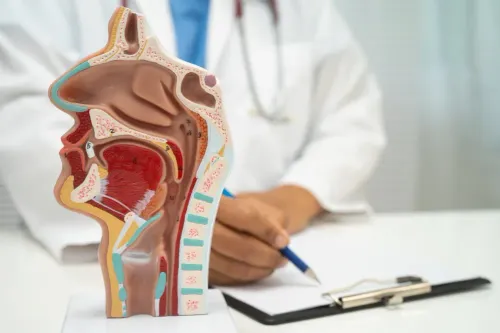

A new headache, tingling hand, burning feet, dizziness, or weakness does not automatically require a neurologist, but certain patterns need immediate hospital care. You will learn how to choose your first clinician, recognise symptoms that justify direct neurology review, prepare for the appointment, and understand why tests depend on examination findings.
Key takeaways
- Choose emergency care for a sudden worst-ever headache or new weakness.
- See a general physician first for common, stable headaches without neurological signs.
- Book a neurologist for recurring, worsening, or unexplained nerve symptoms.
- Record timing, triggers, medicines, vision changes, weakness, and speech problems.
How urgent is the symptom, and which clinician should you choose first?
A sudden worst-ever headache, new neurological deficit, or headache after head injury needs emergency care, not a routine appointment.
| Option | What it means | When it applies |
|---|---|---|
| Emergency care | Immediate hospital assessment | Sudden maximal headache; facial drooping; speech difficulty; one-sided weakness; confusion; fainting; seizure; stiff neck with fever; a new visual-field defect; or headache after head injury |
| General physician | Practical first assessment | A new headache, tingling, numbness, dizziness, or burning pain without emergency warning signs |
| Neurologist | Direct specialist consultation | Recurrent, progressive, disabling, unexplained symptoms or abnormal neurological findings |
Treat facial drooping, arm weakness, or speech difficulty as possible stroke, even when the symptoms improve. Do not wait for a routine neurologist appointment because temporary improvement does not rule out a stroke or transient ischaemic attack.
Pregnancy and the postpartum period lower the threshold for urgent assessment. Seek prompt medical care for a new or severe headache during pregnancy or after delivery, especially with high blood pressure, visual symptoms, weakness, confusion, or seizure.
If you searched “neurologist or general physician for headache moshi,” choose a general physician first when the symptom is new but stable and does not fit an emergency pattern.
Book a neurologist directly for uncontrolled recurrent migraine, a persistent or worsening headache, seizures, progressive weakness, unexplained sensory loss, tremor, balance problems, persistent visual disturbance, or suspected nerve compression.
A “headache doctor moshi” search does not replace triage: emergency warning signs always come first.
What can a general physician evaluate first?
Start with a general physician when a new headache is not an emergency. The doctor can establish the pattern, measure blood pressure, perform a basic neurological examination, review every medicine and supplement, and search for common causes before deciding whether you need a neurologist.
| Option | What the clinician checks | When it applies |
|---|---|---|
| General physician | Headache pattern, blood pressure, nerves, medicines, fever, dehydration, sinus or ear disease, diabetes, anaemia, thyroid problems, and sleep | New, stable symptoms without abnormal neurological findings |
| Neurologist | Brain, spinal cord, nerve roots, and peripheral nerves in greater depth | Atypical, persistent, worsening, disabling symptoms or abnormal examination findings |
Useful first-line questions include:
- How suddenly did the pain begin?
- Is the pattern changing?
- How often does it occur?
- Is numbness or weakness present?
The physician can recognise a pattern resembling migraine or tension-type headache while checking for a secondary headache caused by another condition. Fever, dehydration, uncontrolled hypertension, medication effects, poor sleep, and metabolic problems can all contribute; treating the contributor may resolve the symptom.
A referral is appropriate when the headache persists, worsens, behaves unusually, or accompanies abnormal findings such as weakness, sensory loss, or a persistent visual change. Searching “neurologist or general physician for headache moshi” does not mean one doctor is better: starting with a general physician is clinical triage, not a ranking of doctors.
When should you book a neurologist or nerve specialist directly?
Book a neurologist directly when symptoms are recurrent, progressive, disabling, unexplained, or clearly neurological rather than a single mild episode that is improving. A neurologist Moshi search, nerve specialist Moshi search, or neurology consultation Moshi is appropriate for:
- Migraine that remains uncontrolled despite treatment
- A new headache that persists or keeps changing
- Seizures or unexplained episodes of loss of awareness
- Progressive weakness or unexplained sensory loss
- Tremor, poor balance, or difficulty walking
- Persistent blurred vision, double vision, or visual loss
- Suspected nerve compression at the neck, back, wrist, or elbow
The pattern of tingling, numbness, or burning pain matters. Diabetes can cause peripheral neuropathy, while vitamin deficiency, medication toxicity, spinal disease, and local compression produce different distributions and examination findings. Numbness in one hand, pain from the neck into the arm, and burning in both feet should not be treated as the same “nerve pain.”
Seek urgent assessment for rapidly worsening numbness, new difficulty walking, loss of bladder or bowel control, or numbness around the groin. These signs can indicate spinal cord or cauda equina compression, where waiting for a routine appointment risks permanent damage.
A neurologist examines the brain, spinal cord, nerve roots, and peripheral nerves. That broader assessment helps distinguish migraine from seizures, raised intracranial pressure, spinal disease, or peripheral neuropathy instead of labelling every symptom as migraine or routine nerve pain.
What should you record, and which tests might be considered?
Record the headache before your appointment. Note the exact onset, location, duration, severity from 0 to 10, number of headache days, triggers, nausea, light sensitivity, visual changes, menstrual or pregnancy status, and every medicine taken. This information helps a headache doctor Moshi or a neurology consultation Moshi identify patterns and medication effects.
For nerve symptoms, write down:
- The precise body area and whether symptoms affect one side or both sides
- Numbness, pain, burning, tingling, or weakness
- Whether symptoms are worsening, spreading, or intermittent
- Links to posture, movement, or an injury
- Diabetes history, plus neck or back pain
Bring a current medication list, including supplements, and previous scan or laboratory reports.
Tests follow the history and neurological examination; they do not occur automatically. A normal examination with a typical migraine or tension-type pattern usually does not justify routine brain imaging.
| Test | What it may assess | When it is considered |
|---|---|---|
| Blood glucose or HbA1c | Diabetes | Numbness, tingling, or diabetes risk |
| Complete blood count | Anaemia | Fatigue or other blood-related clues |
| Thyroid or vitamin B12 tests | Specific metabolic causes | Findings that suggest these conditions |
| MRI or CT | Structural disease | Red flags, abnormal findings, or changed patterns |
| Nerve-conduction study | Peripheral nerve dysfunction | Persistent weakness, numbness, or suspected neuropathy |
Medication-overuse headache is a concern when, for three months, you use triptans, opioids, ergots, or combination analgesics on 10 or more days monthly, or paracetamol, aspirin, or NSAIDs on 15 or more days monthly.
How should you compare care settings when symptoms may escalate?
Choose the facility by what could happen next, not only by the doctor’s title. For a stable headache, numbness, or tingling, confirm that a general physician or neurologist is available at the appointment time.
Ask how quickly the facility can arrange referrals and CT or MRI when indicated; carry your symptom record, medicine list, and previous reports.
| Option | What the setting provides | When it applies |
|---|---|---|
| Outpatient clinic | Consultation, examination, initial treatment, and referral planning | Symptoms are stable and no emergency warning sign is present |
| Multispecialty hospital | Immediate assessment, blood-pressure measurement, neurological examination, emergency imaging, observation, and admission | Symptoms are severe, rapidly changing, or the cause is uncertain |
| Hospital with critical care | The above services plus ICU support when breathing, circulation, consciousness, or neurological function deteriorates | A life-threatening condition may require intensive monitoring or treatment |
Suman Multispecialty Hospital & ICU Care, Moshi can be relevant when uncertain headache or weakness may require a multispecialty hospital with emergency and ICU capability. Confirm outpatient neurologist availability and the route from the clinic to emergency care separately: ICU capability alone does not prove that a dedicated headache clinic or outpatient neurology service exists.
If your search is “neurologist moshi” or “neurology consultation moshi,” check appointment availability before travelling, but do not use that booking as a substitute for emergency assessment. Never delay emergency assessment to arrange a routine neurology consultation.
Related services
Neurology Treatment's The Neurology department at Suman Multispecialty Hospital, Moshi is committed to providing exceptional neurological care to its patients. View service → |
General Medicine The General Medicine department at Suman Multispecialty Hospital, Moshi provides comprehensive and patient-centered medical care for every... View service → |
Frequently asked questions
How urgent is a headache with nerve symptoms?
Seek emergency care for a sudden worst-ever headache, new weakness or numbness, trouble speaking, confusion, seizure, fainting, severe vision loss, fever with a stiff neck, or a headache after head injury.
Should I see a general physician or neurologist first for a headache?
Choose a general physician for a new but stable headache without neurological warning signs. A general physician can assess common causes, examine you, review medicines, and decide whether specialist referral is needed.
When should I book a neurologist directly?
Book a neurologist for recurring or worsening headaches, migraine that remains uncontrolled, unexplained numbness or tingling, repeated dizziness, seizures, tremor, balance problems, or persistent weakness.
What should I record before a headache consultation?
Record when the pain starts, where it occurs, its severity, duration, triggers, associated nausea or visual symptoms, sleep, meals, medicines taken, and any weakness, numbness, speech, or balance changes.
Which tests might be considered for headache and nerve symptoms?
The clinician may consider a neurological examination, blood pressure measurement, blood tests, or brain imaging such as CT or MRI when the history and examination indicate a specific need.
Keywords