
Lung disorders encompass a wide range of conditions that can affect breathing and overall health. From asthma and chronic obstructive pulmonary disease (COPD) to pneumonia and lung cancer, each disorder presents unique challenges and treatment requirements. Understanding these conditions, their symptoms, and treatment options is crucial for individuals seeking relief and improved health.
Common Lung Disorders
1. Asthma
Asthma is a chronic condition that causes inflammation and narrowing of the airways, leading to difficulty in breathing. Common symptoms include coughing, wheezing, shortness of breath, and chest tightness. Management often involves:
- Inhaled corticosteroids
- Bronchodilators
- Avoidance of asthma triggers
2. Chronic Obstructive Pulmonary Disease (COPD)
COPD is a progressive lung disease primarily caused by smoking. It encompasses emphysema and chronic bronchitis. Symptoms include persistent cough, sputum production, and difficulty breathing. Treatment strategies include:
- Smoking cessation
- Bronchodilator medications
- Pulmonary rehabilitation
3. Pneumonia
Pneumonia is an infection that inflames the air sacs in one or both lungs, which may fill with fluid. Symptoms typically include cough, fever, chills, and difficulty breathing. Treatment usually involves:
- Antibiotics for bacterial pneumonia
- Antiviral medications for viral pneumonia
- Supportive care, including rest and hydration
4. Lung Cancer
Lung cancer is one of the leading causes of cancer-related deaths worldwide. Early detection is crucial for successful treatment, which may include surgery, chemotherapy, and radiation. Symptoms to watch for include:
- Persistent cough
- Unexpected weight loss
- Chest pain
Diagnosis of Lung Disorders
Diagnosis of lung disorders typically involves a thorough medical history, physical examination, and various diagnostic tests, including:
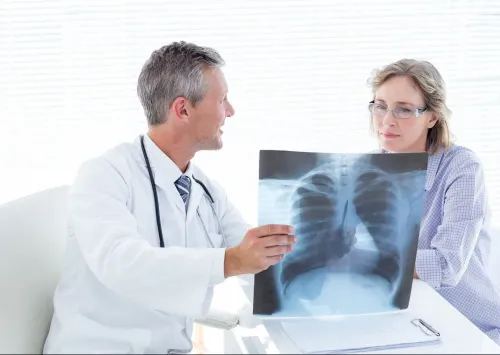
- Chest X-rays: Useful for identifying abnormalities in lung structure.
- CT Scans: Provide detailed images of the lungs, helping in identifying tumors or other issues.
- Lung Function Tests: Measure how well your lungs are working by assessing airflow and lung capacity.
- Bronchoscopy: A procedure that allows doctors to visualize the airways and collect tissue samples if necessary.
Treatment Options
Treatment for lung disorders is highly individualized and may include:
- Medications: Depending on the specific disorder, physicians may prescribe bronchodilators, steroids, or antibiotics.
- Lifestyle Changes: Quitting smoking, maintaining a healthy diet, and regular exercise can improve lung health.
- Oxygen Therapy: For individuals with severe lung disorders, supplemental oxygen may be necessary.
- Surgery: In some cases, surgical interventions, like lung resections or transplant, may be required.
The Role of Healthcare Facilities in Treatment
Accessing a reliable healthcare facility is essential for diagnosis and treatment of lung disorders. Facilities like Suman Multispecialty Hospital & ICU Care in Moshi offer comprehensive medical services, including specialized care for lung conditions. They are equipped with modern technology and skilled professionals to ensure effective treatment plans tailored to individual patient needs.
Conclusion
Understanding lung disorders and their treatment options empowers individuals to take charge of their respiratory health. If you or someone you know is experiencing symptoms of a lung disorder, it’s important to consult with a healthcare provider for an accurate diagnosis and appropriate treatment. Accessing quality care can make a significant difference in managing and improving lung health.
Keywords