
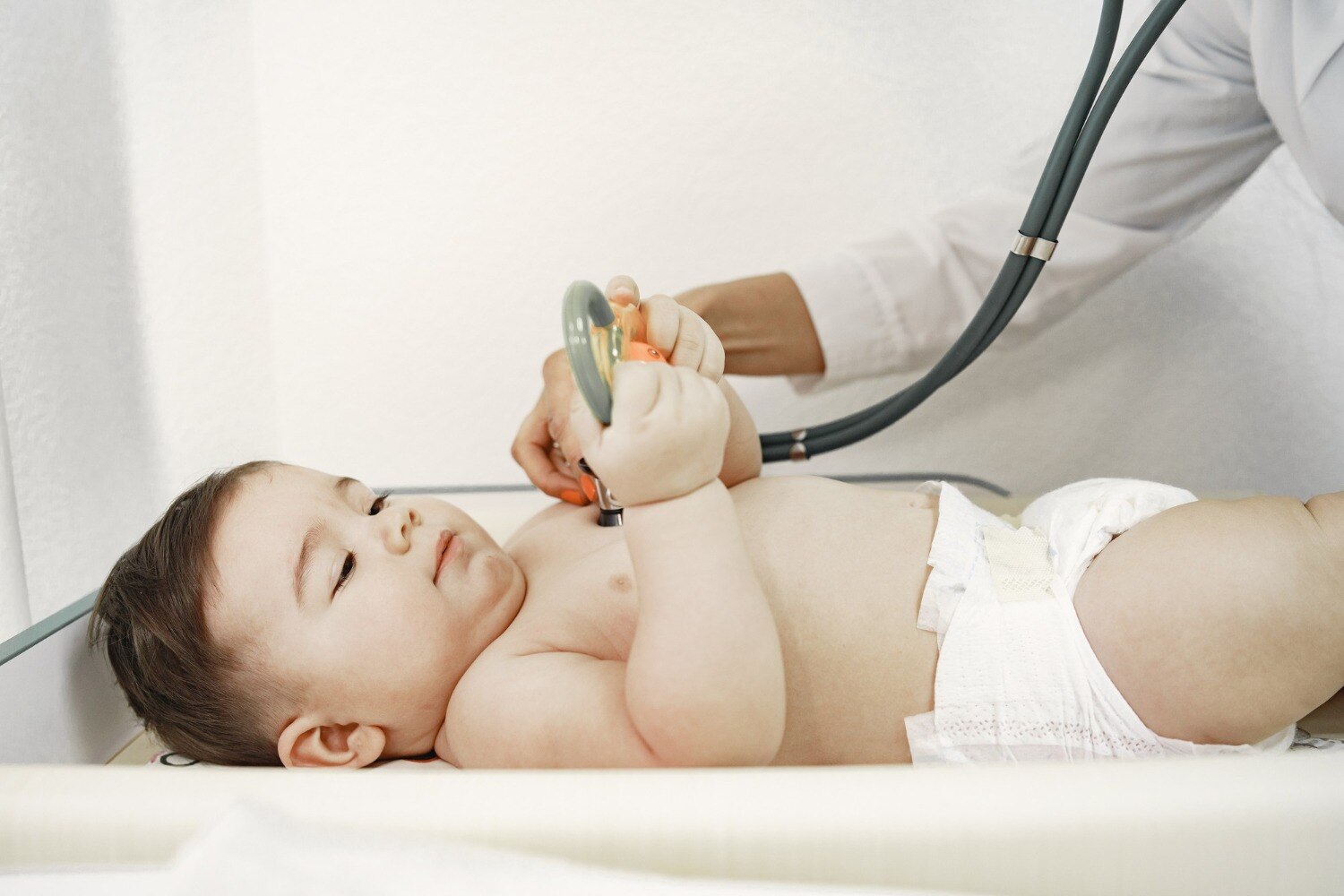
Parents usually want to know whether their child will be admitted immediately, which tests are necessary, how anesthesia is managed, and when the child can go home. By following each stage—from urgent assessment or referral through recovery and follow-up—you can prepare the right documents, ask informed consent questions, and recognise when a child needs emergency help rather than a routine appointment.
Key takeaways
- Emergency cases go directly to stabilisation and surgical assessment.
- Ask which tests, fasting rules and medicines your child needs before admission.
- Confirm who provides anesthesia and how pain will be controlled after surgery.
- Seek urgent care for breathing trouble, heavy bleeding, worsening pain or fever.
Referral, triage and the first surgical assessment
Before a child is scheduled for surgery, clinicians first decide whether the condition is an emergency, urgent problem, or planned case. This first assessment explains what happens during pediatric surgery in Moshi and begins the pediatric surgery process Moshi families need to understand.
A nurse or doctor checks the child’s airway, breathing, circulation, consciousness, hydration, pain, temperature, and signs of sepsis. Breathing difficulty, shock, severe dehydration, uncontrolled bleeding, a rigid or swollen abdomen, strangulated tissue, or rapidly worsening infection can require immediate treatment.
The team stabilises the child with oxygen, intravenous fluids, antibiotics, pain relief, or other resuscitation before surgery when possible.
Doctors usually proceed in this order:
- Review the referral, symptoms, duration of illness, previous operations, allergies, medicines, birth history, and known medical conditions.
- Record weight and examine the abdomen or affected area, airway, heart, lungs, hydration, and neurological state.
- Decide whether surgery is needed now, after stabilisation, or as an elective procedure. The doctor explains the diagnosis, treatment choices, expected benefit, risks, alternatives, and what delaying surgery could cause.
- Check whether the hospital can provide the required anaesthesia, blood products, imaging, neonatal care, ventilation, or postoperative monitoring.
- Refer the child to a higher-level surgical or intensive-care service when the case needs specialist anaesthesia, paediatric intensive care, neonatal surgery, or equipment unavailable locally.
A stable child is scheduled only after the surgeon and anaesthesia team agree that the timing and care setting are appropriate.
Tests, consent and preparation before admission
Before admission, the pediatric surgery process in Moshi begins with a fresh examination, not a routine package of tests. The team records weight, temperature, hydration, pain, allergies, medicines and previous operations, then checks the airway, heart, lungs and signs of infection. Test selection depends on the child’s condition, planned operation and anaesthesia risk.
| Test | What it may show | When it applies |
|---|---|---|
| Complete blood count | Anaemia, infection or low platelets | Suspected infection, blood loss or major surgery |
| Blood group and crossmatch | Compatible blood if transfusion is needed | Expected bleeding or severe anaemia |
| Urine test | Urinary infection or other abnormalities | Urinary symptoms or selected operations |
| Ultrasound, X-ray or other imaging | The position and extent of disease | Abdominal, bone, chest or injury-related problems |
A healthy child having a minor operation may not need every test. Unnecessary testing can delay treatment without improving safety.
Before signing consent, ask the surgeon and anaesthetist to explain:
- The diagnosis and the exact procedure planned.
- The expected benefit and the important risks, including bleeding, infection, breathing problems and a possible second operation.
- Alternatives, including observation, medicines, referral or a different procedure.
- What could happen if treatment is delayed or refused.
- Whether blood products, ICU care or referral could become necessary.
Consent covers anaesthesia as well as surgery. In a life-threatening emergency, treatment can proceed under emergency rules when delay endangers the child; ask how the hospital documents that decision.
Admission, anesthesia and the operating-room process
Registration starts the day’s process: staff confirm the child’s identity, operation, allergies, medicines, weight, vital signs and consent. Fasting is checked carefully; record the last time the child ate, drank milk or formula, or had clear fluids. If fasting instructions were not followed, tell the team immediately rather than hiding it.
1. A clinician repeats the safety assessment, including airway, breathing, circulation, consciousness, hydration, pain, temperature and infection signs. An unstable child receives resuscitation before surgery when possible.
2. The anesthetist explains the anesthetic plan and calculates medicines and fluids by weight. Children’s narrower airways, faster oxygen desaturation and sensitivity to cold require close attention.
3. In the operating room, the team confirms the child and procedure again, applies monitors for oxygen saturation, heart rate, blood pressure, breathing and temperature, and establishes intravenous access when needed.
4. The anesthetist adjusts anesthesia, ventilation, fluids and pain treatment throughout the operation. A sleeping or quiet child does not prove that pain relief is adequate; analgesia is planned from the operation, age, weight and clinical observations.
5. After surgery, recovery staff receive a verbal handover covering the operation, medicines, blood loss, fluids, airway concerns and required observations. The child remains monitored until breathing, circulation, temperature and alertness are safe.
This sequence explains what happens during pediatric surgery in Moshi, but recovery location varies. A child may go to a ward, high-dependency area or ICU after planned major surgery or unexpected breathing difficulty, shock, bleeding, severe infection or delayed anesthetic recovery.
Recovery, discharge and warning signs at home
A child leaves the recovery area only after breathing adequately, maintaining oxygen levels, waking to the expected level, and showing stable circulation, temperature, pain and nausea control.
ICU admission is not proof that surgery failed: it can be planned for a major operation or critically ill child, or become necessary after breathing difficulty, shock, severe infection, bleeding or delayed anaesthetic recovery.
| Care level | What clinicians look for | Typical reason |
|---|---|---|
| Day-case discharge | Stable vital signs, adequate drinking, controlled pain, passing urine when relevant, and a responsible adult at home | Minor procedure with no ongoing airway or bleeding concern |
| Ward admission | Continued observation, intravenous fluids, oxygen, wound care or stronger pain relief | Young age, prematurity, major surgery, vomiting, fever or an airway risk |
| High-dependency or ICU observation | Unstable vital signs, ventilator need, severe infection, significant bleeding or organ-support requirement | Critical illness or complications needing continuous monitoring |
After discharge from a hospital providing children’s surgery in Moshi, give medicines exactly as prescribed, offer frequent fluids and light food when permitted, keep the incision clean and dry as instructed, and prevent strenuous activity. Keep the discharge paper and emergency telephone number accessible.
Seek urgent medical help for:
- Difficult or noisy breathing, blue lips, or unusual difficulty waking
- Persistent vomiting, inability to drink, or very little urine
- Increasing pain despite prescribed medicine, heavy bleeding, or a rapidly swelling wound
- Fever with worsening weakness, confusion, seizure, or cold, pale skin
A facility may transfer the child if ventilation, blood products, specialist anaesthesia or paediatric intensive care is unavailable locally. Ask who will provide follow-up before leaving.
How to compare pediatric surgical care in Moshi
A pediatric surgeon Moshi families choose should routinely treat the child’s age, weight and condition, not simply perform the named operation. Ask who gives the anesthesia, where the child recovers, and which clinician manages breathing or pain after surgery.
| Ask about | A useful answer includes | Warning sign |
|---|---|---|
| Expertise | Recent experience with this operation and children of this age and weight | Experience described only in adult cases |
| Anesthesia | A named anesthetist, weight-based medicines, monitoring and recovery-room supervision | No clear anesthesia plan |
| Facilities | Operating theatre, warming equipment, blood access, imaging and monitored recovery | The hospital cannot explain what is available |
| Referral backup | A defined plan for neonatal surgery, ventilation, pediatric ICU, blood products or specialist imaging | “We will decide later” if complications occur |
| Follow-up | The review date, wound and pain instructions, and a 24-hour contact route | No plan for fever, bleeding or breathing difficulty |
| Cost | A written estimate covering surgeon, anesthetist, theatre, tests, medicines, ward or ICU, blood, referral transport and follow-up | A low quote excludes major items |
Ask whether emergency surgery and blood are available on the day. ICU admission can be planned for a major operation or required after shock, bleeding, infection, breathing difficulty or delayed anesthesia recovery.
When comparing a children surgery hospital Moshi families consider, Suman Multispecialty Hospital & ICU Care, Moshi is one facility to ask directly about its referral pathway and postoperative coverage, rather than assuming every complication can be managed on site.
Related service
Pediatric Surgery The Pediatric Surgery department at Suman Multispecialty Hospital, Moshi offers top-quality care to young patients who are seeking treatment for... View service → |
Frequently asked questions
How is a child assessed before surgery in Moshi?
The team first decides whether the condition is an emergency, urgent problem or planned case. A surgical assessment then reviews symptoms, medical history, examination findings and the procedure being considered.
Which tests and preparation steps might happen before pediatric surgery?
The surgeon orders tests based on the child’s condition and planned operation. Before admission, ask about fasting, regular medicines, allergies, required documents and when your child must arrive.
What happens during anesthesia and the operation?
The anesthesia team checks the child before the procedure, gives anesthesia in the operating room and monitors vital signs throughout surgery. The surgical team then performs the planned operation and transfers the child to recovery.
Which warning signs require medical attention after a child returns home?
Contact the hospital urgently for breathing difficulty, heavy bleeding, worsening pain, repeated vomiting, unusual sleepiness, wound separation or fever. Follow the discharge instructions for dressing care, medicines, food and activity.
Keywords